Project size
How many active spaces, finish zones, and adjacent environments need visibility.

FinishSure structures monitoring as project coverage, not a pile of equipment. Choose the level of visibility and documentation that fits the job.
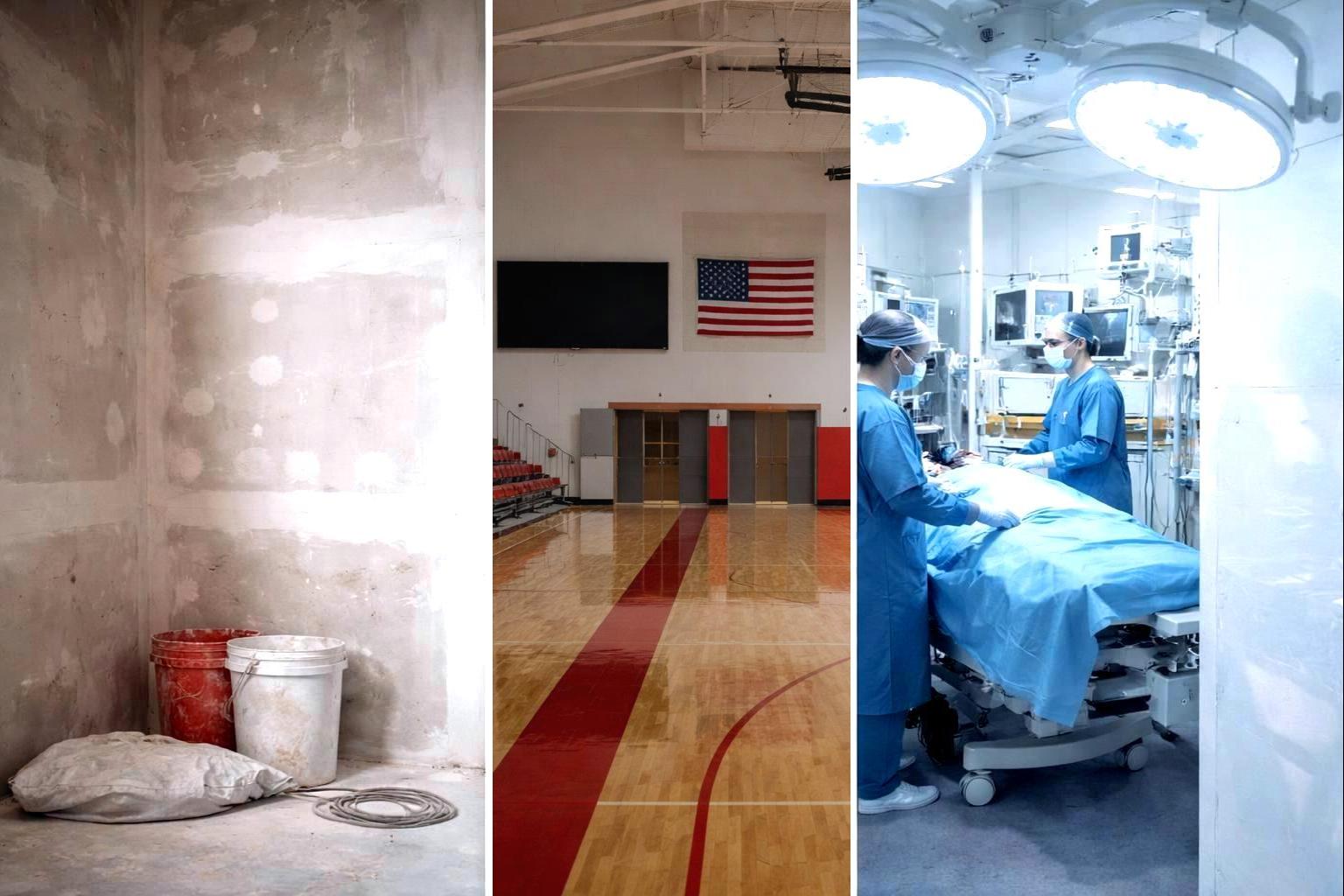
Coverage is shaped by monitored zones, project duration, sensitivity of the spaces, and how strong the final documentation needs to be.
How many active spaces, finish zones, and adjacent environments need visibility.
How long conditions need to be monitored through install, stabilization, or turnover.
How costly it would be if drift goes unseen until late in the job.
How detailed the weekly reporting and final handoff package need to be.
For smaller scopes, selected finish zones, or projects that need focused monitoring in the highest-risk areas.
For most commercial and institutional projects that need multi-zone visibility plus stronger reporting through closeout.
For healthcare, controlled spaces, and owner-sensitive projects where documentation scrutiny is highest.
| Category | Targeted | Full | Critical |
|---|---|---|---|
| Typical use | Selected risk areas | Most commercial projects | Controlled or owner-sensitive projects |
| Zone density | Focused coverage | Multi-zone visibility | Higher-density visibility |
| Alerts | Exception alerts | Real-time exception alerts | Immediate attention on drift |
| Reporting | Weekly summaries | Weekly summaries + trends | Detailed reporting package |
| Closeout package | Included | Full package | Owner-grade package |
Pricing is built around project size, duration, density of coverage, and documentation expectations. The result is predictable project coverage without your team having to buy or manage the monitoring stack.
Use targeted or full coverage where adhesives, coatings, millwork, flooring, and sensitive interiors need a live environmental record while work is still moving.
Teams often increase reporting rigor, keep closer watch on higher-risk zones, and prepare owner-facing documentation so closeout does not become a scramble.
Coverage can continue for selected areas when moisture-sensitive finishes, owner concerns, or callback exposure make a stronger post-turnover record worthwhile.
Flooring, coatings, millwork, tenant improvements, and controlled spaces do not all need the same density or reporting cadence.
Tighter schedules and compressed turnover windows usually call for stronger live visibility and faster exception review.
When owner teams or facilities stakeholders expect a cleaner handoff file, the program should be built around that standard from the start.
We’ll help you match coverage, reporting, and documentation to your project scope and turnover expectations.